Shutters don't fail out of nowhere — they get slow, noisy and stiff first. A service catches the wear before it becomes a jammed curtain or a dead motor at the worst possible time.
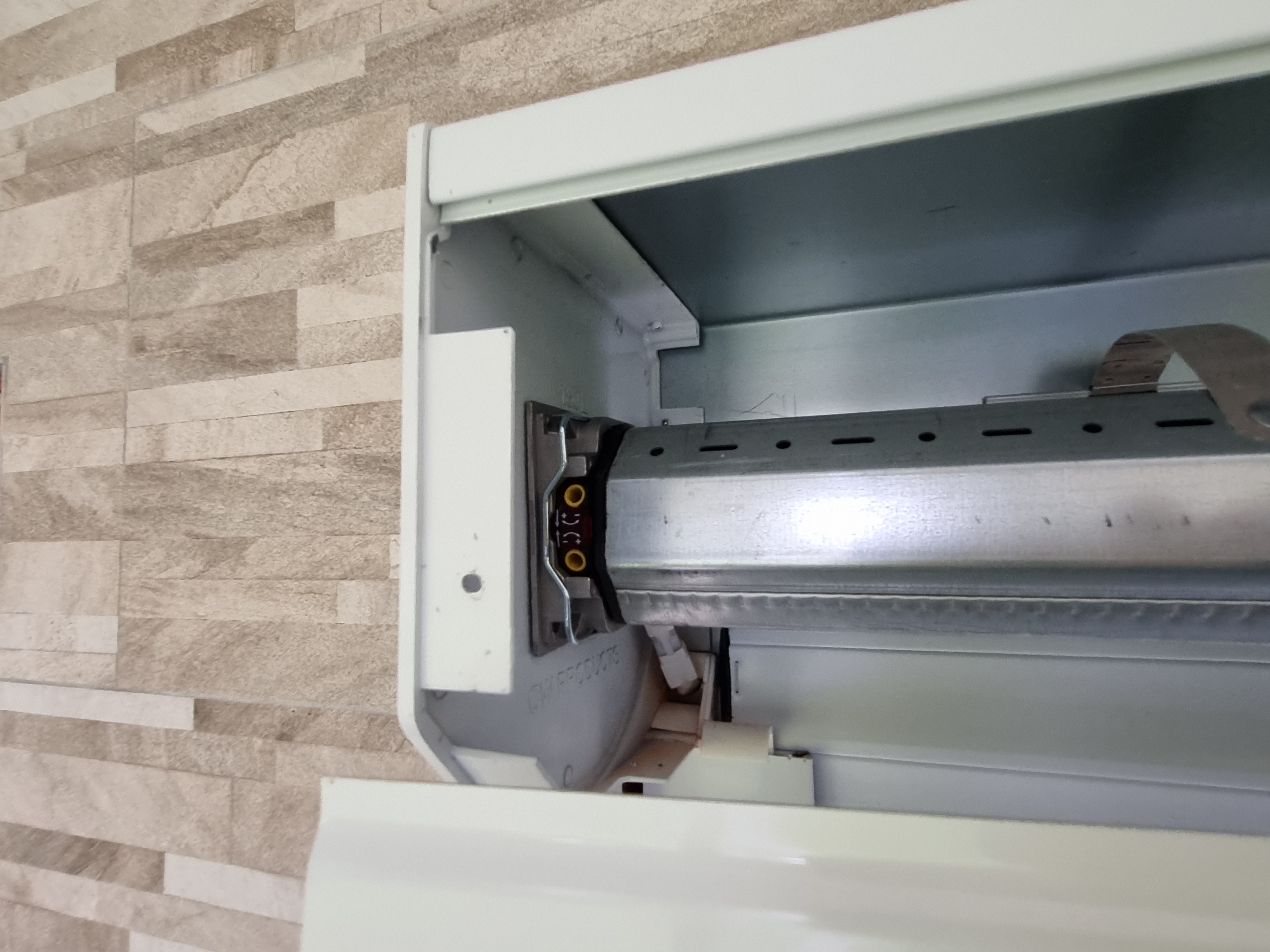
A proper service opens the pelmet and works through the system: motor operation and temperature behaviour, limit settings, curtain condition and tracking, guide wear and debris, strap or tape condition on manual systems, and remote and receiver response on motorised ones.
What you get out of it is simple — the small faults fixed on the spot, and an honest heads-up on anything wearing out, so a $50 strap gets replaced before it snaps with the shutter down, and a motor showing early signs gets flagged before it dies in a heatwave with the whole house shut.
For shopfronts and commercial shutters doing thousands of cycles a year, scheduled servicing is the difference between planned maintenance and an emergency callout at closing time.
Operation under load, limit accuracy, thermal behaviour, and remote/receiver response — the early warnings of motor failure show up here first.
Slat condition, guide wear, debris and alignment — the causes of the scraping, banging and slow travel that owners learn to live with.
Manual drive components checked for fray and fatigue and replaced cheaply now rather than urgently later.
High-cycle shutters serviced on a schedule that suits trading — keeping them off the emergency list.
How many shutters, roughly how old, and your suburb. Multiple shutters serviced in one visit is the economical way to do it. If it's urgent, call 0477 059 687 directly.
That's the warning phase — call 0477 059 687 or book a service and catch it before it becomes a callout.